
A Vintage Brass Moroccan Tray From Circa Mid 20th Century: appraisal and value basics
A Vintage Brass Moroccan Tray From Circa Mid 20th Century research should start with identification, condition, provenance, and recent comparable sales. Use this guide to compare the signals that matter before paying for a formal appraisal or deciding whether to sell.

Quick value snapshot (what most owners want first)
Vintage Moroccan brass trays are collected for their surface pattern and atmosphere more than for a single “name maker.” Because most are unmarked, value is driven by size, workmanship, condition, and whether a folding base is included.
- Common resale range (many mid-century examples): roughly US$80–US$250.
- Better examples (large diameter, crisp chasing, strong patina, no major dents): often US$250–US$450 in decor-focused venues.
- Premium outcomes: US$500+ is possible for unusually large/heavy trays, silver-plated work, signed pieces, or trays paired with an attractive folding table base.
A legacy Appraisily WordPress appraisal stub for this exact keyword (May 2022) cited a US$150–US$200 value band. That’s a realistic “mid-market” anchor for a solid, decorative tray in good condition.
Description and history: what “vintage Moroccan brass tray” usually is
In many households, the “Moroccan brass tray” is the tea tray—used to serve mint tea and sweets, or mounted on a folding wooden base (sometimes called a tray table). In the mid-20th century (especially 1950s–1970s), large numbers were produced for both local use and the tourist trade. That’s why you’ll see many similar designs across markets today.
Common motifs include:
- Geometric stars and rosettes (often a central medallion).
- Arabesque scrollwork (interlaced vine forms).
- Calligraphic or pseudo-calligraphic borders (sometimes decorative rather than literal text).
These trays are often described as “brass,” but some are actually copper alloys with a brass-like surface, and some have a tinned underside (a silvery lining) that can read as “silver plated” in photos. Sorting those materials correctly is a big part of valuation.
Material checks: brass vs copper, and what “tinned” means
A quick, practical way to read the metal (without damaging the surface):
- Brass: typically a warmer yellow-gold. When tarnished, it can look brown or olive.
- Copper: tends to show a redder tone at scratches or on the underside. It can develop green verdigris if exposed to moisture.
- Tinned underside: a matte-to-satin silvery coating applied to food-contact surfaces. It’s common on functional trays and can flake or darken with age.
- Silver-plated: a brighter, more mirror-like surface when intact. Wear-through can reveal yellow brass beneath, especially at high points and rim edges.
From the WP source text: “Top quality trays are also silver plated.” That’s directionally correct, but in practice, tinning is also very common and can be misread as plating. A photo of the underside and rim edge usually clarifies which you have.
Dating clues: how appraisers place trays in the mid-20th century
Because most Moroccan trays are unmarked, dating is usually comparative: looking at the method of decoration and the “feel” of the metalwork rather than chasing a maker’s name.
Signals that often align with mid-century (roughly 1950s–1970s):
- Regular, repeating patterns that look planned and consistently spaced (often guided by templates).
- Mixed handwork + light machine finishing (uniform rim with hand-chased interior fields).
- Tourist-market sizing: common diameters around 18–28 inches designed to read as wall decor.
From the WP source, the tray was dated “probably 1960–1970s.” That’s a sensible default when a tray has a classic tourist-market scale and decoration and no earlier provenance.
If you want to tighten dating, photograph:
- Rim construction (rolled rim vs applied wire edge).
- Underside seams (single sheet vs joined work).
- Evidence of hand planishing (gentle hammer undulations that look organic, not stamped-flat).
Condition checklist (the issues that actually move the price)
Condition on brass trays is less about “perfect shine” and more about whether the tray still presents as a crisp, stable decorative object. Inspect:
- Dents and rim waves: large creases near the rim are the biggest value hit because they distort the silhouette.
- Cracks at piercings: if the tray has openwork cut-outs, check for tearing around thin bridges.
- Old solder repairs: repairs can be fine, but messy solder blobs or misaligned joins reduce desirability.
- Over-polishing: aggressive polishing can erase the contrast in chased patterns and leave a flat, overly yellow finish.
- Tinning loss/flaking: common on the underside; it matters more if you want to use the tray for food service.
Patina is not automatically “damage.” Many decorators prefer a warm, aged surface because it reads authentic and hides minor marks.
Auction comps: what similar Moroccan / Middle Eastern trays have sold for
Below are three recent auction results from the Appraisily auction dataset that bracket the market for Moroccan or Moroccan-attributed trays and chargers. They aren’t perfectly identical to every brass tray, but they help calibrate expectations.


How to use these comps:
- If your tray is plain brass (not plated), expect many results to cluster around $100–$250 in general auctions.
- If you have a tray + folding base (and it presents well), you’re closer to the Ripley-style “functional decor” outcome.
- If the tray is signed, unusually heavy, or silver-plated, it can justify a higher asking price—especially in decor-led marketplaces rather than estate auctions.
What makes one Moroccan brass tray worth more than another?
Small differences matter. Two trays that look “similar” in a quick photo can be very different in hand.
- Diameter and weight: large (24–30 inch) trays with thick metal tend to outperform thin, flexy trays.
- Depth of chasing: crisp, high-relief chasing catches light and reads premium on the wall.
- Edge treatment: a clean rolled rim or well-finished gallery edge signals better workmanship.
- Rarity signals: maker stamp, workshop mark, or an uncommon motif can lift value.
- Complete set: a tray paired with its original folding base is easier to sell as a “ready-made” decor piece.
How to sell (and how to price) a vintage Moroccan brass tray
The legacy WP content suggested listing online (eBay, Etsy, Facebook, Instagram, etc.) and recommended a starting asking price around 80% of a mid-market valuation. That’s still a sensible tactic for common trays where buyers have many options.
Practical selling guidance:
- Best platforms for decor buyers: Etsy, Chairish, and curated Instagram shops often outperform local auctions.
- Best platform for “comp-driven” buyers: eBay, where sold listings are visible and shipping is expected.
- Photograph it like a product: straight-on top shot, rim profile, underside, and one angled detail shot that shows depth of chasing.
- Be explicit about size: list diameter and depth; include weight if possible.
- Shipping note: trays bend if boxed loosely. Use double-wall cardboard and rigid foam; do not let the rim take impact.
Care and cleaning (avoid the “too shiny” trap)
Collectors and decorators often prefer a gentle, even patina. If you want to clean:
- Start mild: a soft cloth and a tiny amount of neutral soap in water, then dry immediately.
- Avoid harsh abrasives: they can flatten fine chasing and leave a smeared look.
- Spot-test any polish: polish can change color and remove aged contrast; test a hidden area first.
- For tinned undersides: avoid aggressive scrubbing; tin is softer than brass and can wear through.
If the tray has historical or sentimental value, or if you suspect it may be older than mid-century, consider a conservator-style approach rather than a bright polish.
Note: We couldn’t find relevant auction comps in our database for this topic right now. If you’re valuing a specific item, try searching by maker/model/material and we’ll expand coverage over time.
What similar items actually sold for
To help ground this guide in real market activity, here are recent example auction comps from Appraisily’s internal database. These matched sales are market context only, not an object estimate or identification, and they do not guarantee a price for your specific a vintage brass moroccan tray from circa mid.
| Comparable | What sold | Auction house | Date | Lot | Source-reported amount |
|---|---|---|---|---|---|
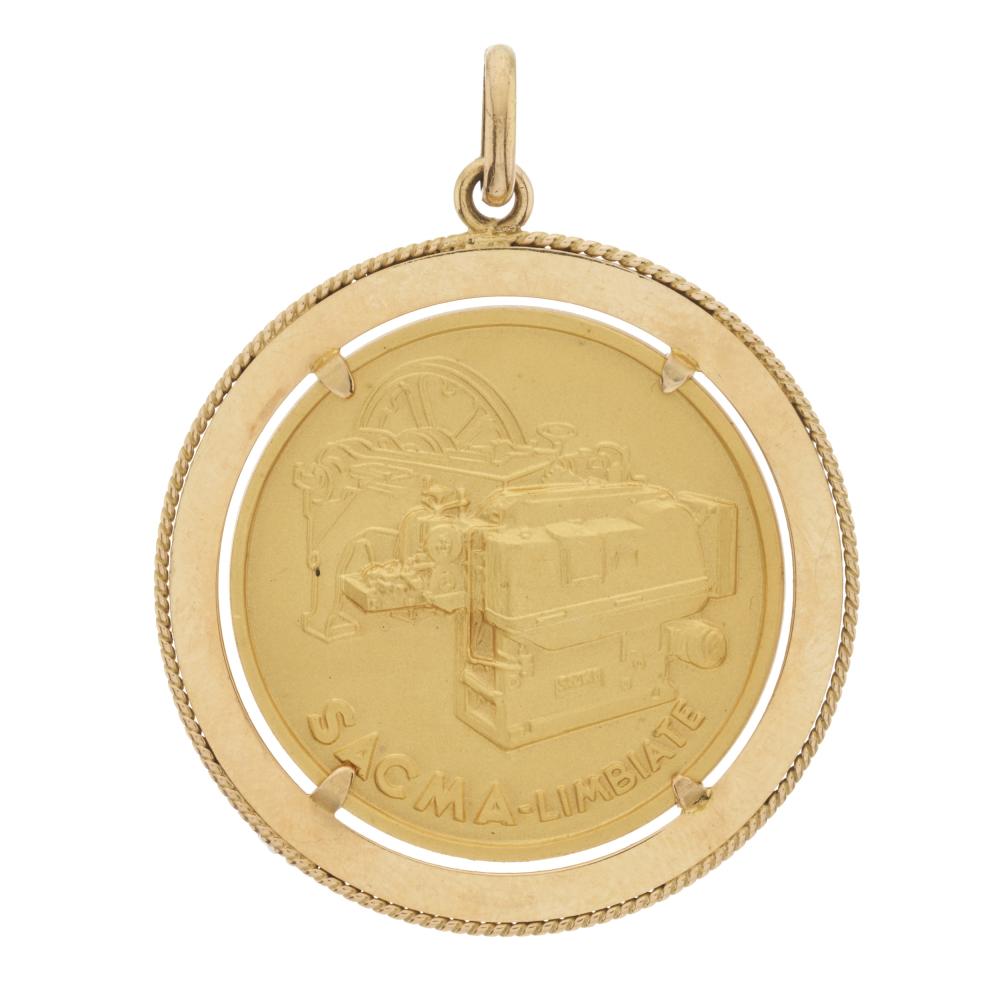 |
A mid 20th century 18ct gold medallion pendant | Kinghams Auctioneers | 2025-11-26 | 60 | GBP 500 (buyer’s-premium treatment unknown) |
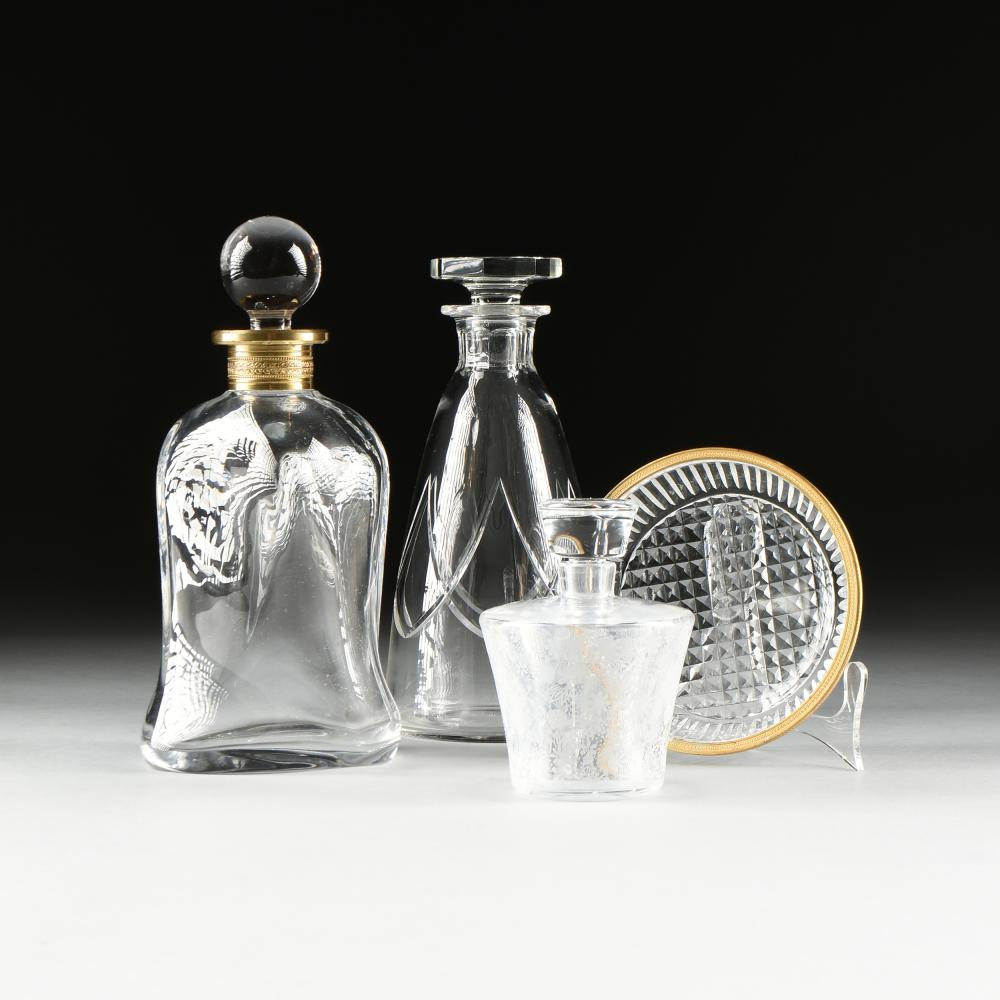 |
A GROUP OF FOUR CRYSTAL AND GLASS BARWARES, MID 20TH CENTURY, | Simpson Galleries, LLC | 2020-09-20 | 22 | USD 325 (buyer’s-premium treatment unknown) |
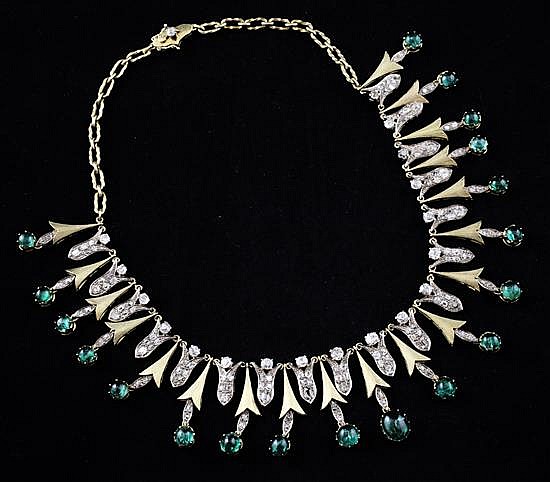 |
A mid 20th century Victorian style gold, old cut diamond and cabochon emerald drop fringe necklace, 15in. | Gorringes | 2014-09-04 | 1420 | GBP 4,200 (buyer’s-premium treatment unknown) |
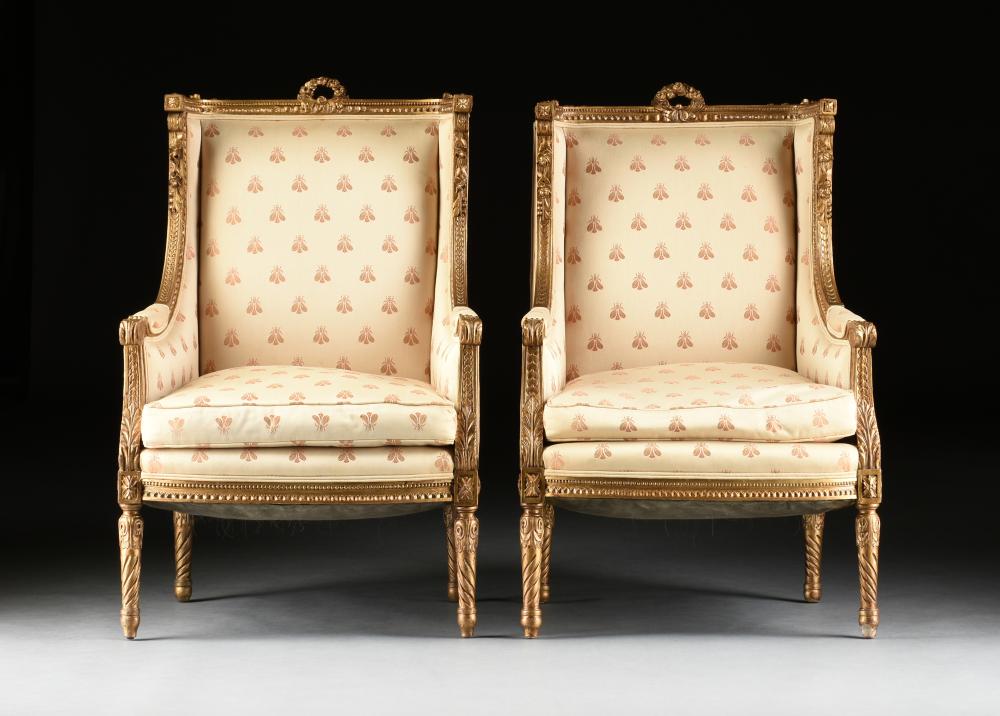 |
A PAIR OF LOUIS XVI STYLE GILTWOOD BERGÈRES OREILLES, ATTRIBUTED TO MAISON JANSEN, FRENCH, MID 20TH CENTURY | Simpson Galleries, LLC | 2024-03-23 | 379 | USD 900 (buyer’s-premium treatment unknown) |
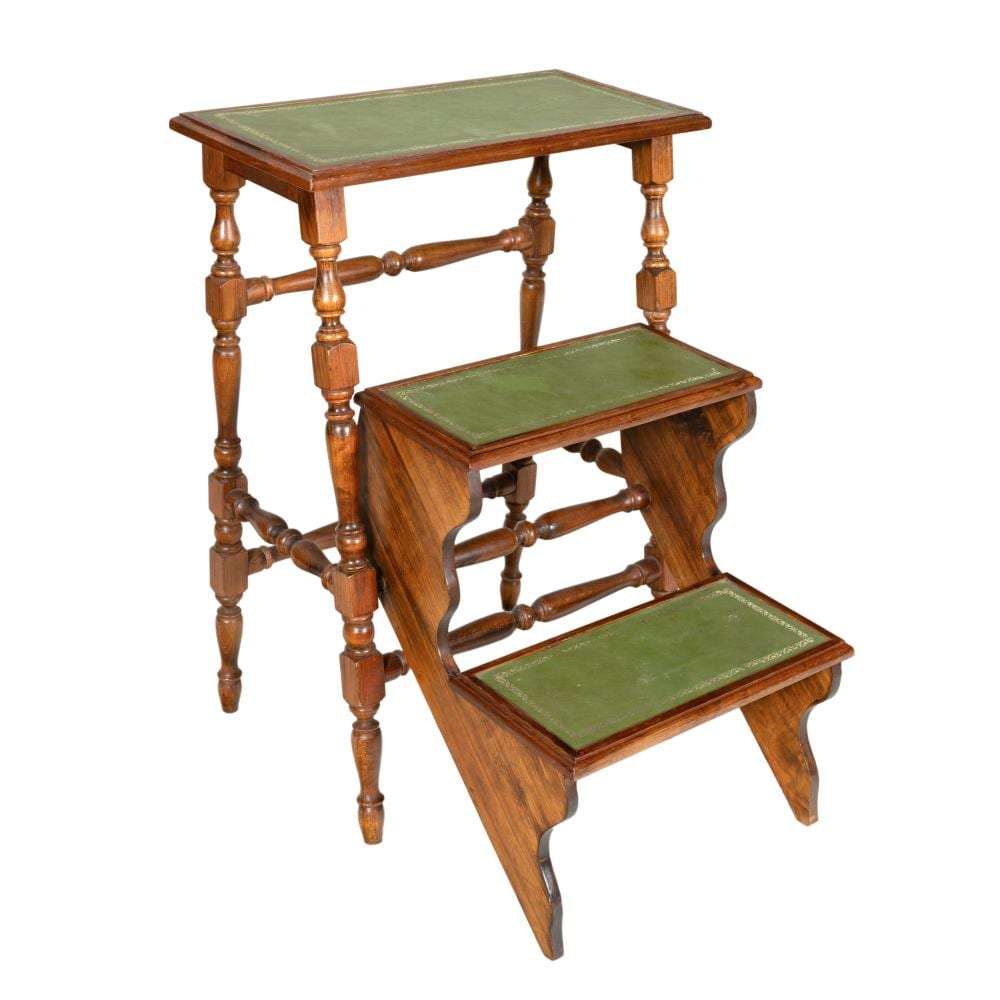 |
Folding library ladder, decorated with gilded leather, mid 20th century | A10 by Artmark | 2025-10-01 | 8 | EUR 1,700 (buyer’s-premium treatment unknown) |
How these auction records were verified
Each row retains its exact source URL, lot identity, retrieval time, access result, and immutable record hash. Inspect the public comparable provenance record.
Disclosure: prices are shown as reported by auction houses and are provided for appraisal context. Learn more in our editorial policy.
Search variations collectors ask
Readers often Google:
- how to tell if a Moroccan tray is brass or copper
- mid century Moroccan brass tray value
- what does a tinned underside mean on a brass tray
- how to date an unmarked Moroccan brass tea tray
- best way to clean a vintage brass Moroccan tray
- are Moroccan brass trays silver plated or tin lined
- how to ship a large brass tray without bending
- Moroccan brass tray table with folding base value
Each question is answered in the identification and valuation steps above.