
A Victorian Edwardian Era Fine Quality Sideboard: appraisal and value basics
A Victorian Edwardian Era Fine Quality Sideboard research should start with identification, condition, provenance, and recent comparable sales. Use this guide to compare the signals that matter before paying for a formal appraisal or deciding whether to sell.
A sideboard (also called a buffet) is a dining-room storage piece: drawers for cutlery, cupboards for serving ware, and a broad top for serving or display. Many late Victorian and Edwardian examples add an upper glazed cabinet or mirrored back, making them a common “showpiece” piece of household furniture.
This article is a cleaned-up migration of a legacy WordPress appraisal stub. It keeps the key takeaways (period, wood, and the headline value band), but rewrites the content into a practical collector-first guide: how to date the piece using construction, what condition issues matter, and how recent public auction results help set expectations.
Free instant estimate
Not sure if your item is worth appraising? Let us take a look.
Upload a photo, tell us what you know, and get a free first read. If a full appraisal makes sense, we will say so.
Free. No card needed. Takes about two minutes.
Quick value snapshot (US$)
For a fine-quality Victorian/Edwardian-era sideboard in good, presentable condition (doors and drawers functioning, no major structural damage, and honest finish), a reasonable starting reference point from the legacy appraisal stub is:
US$300–$350
That number is not a guarantee—sideboard pricing is extremely sensitive to size, wood, quality of veneer and joinery, and especially local demand and shipping constraints. Use the identification steps below to confirm what you have, then use auction comps to sanity-check the range for your market.
Victorian vs Edwardian: why style can mislead
The Victorian era (1837–1901) and the Edwardian era (1901–1910, often extended into the 1910s for furniture) overlap heavily in production methods. Furniture makers also revisited earlier styles ("revival furniture"), so a piece may look Georgian or Louis XV while actually being later.
For that reason, appraisers treat ornament as secondary and prioritize construction evidence. The Metropolitan Museum of Art’s overview of revival furniture is a good reminder that styles repeat, but methods change.
The fastest way to date your sideboard
If you can only check a few details, focus on hardware and joinery. The legacy appraisal note emphasizes that machined fittings point to late 19th / early 20th-century workshop production rather than an earlier Georgian piece.

- Screws and hardware: consistent machine-made screws and crisp brass escutcheons generally suggest later 1800s+ production. Mixed screw types can indicate repairs.
- Drawer joints: uniform dovetails are commonly machine-cut (late 19th century onward). Irregular, hand-cut dovetails can point earlier—but repairs can also create mixed evidence.
- Back panels: board widths, saw marks, and how the back is fixed (nails vs screws) can help separate earlier handwork from later factory cabinetry.
- Glass doors: plain clear glass is common and often replaced; intact and securely installed glass matters more than originality for most buyers.
Wood identification: mahogany and common look-alikes
The legacy appraisal identifies the wood as mahogany. Many “mahogany” sideboards are built as a combination of secondary woods (for internal structure) and mahogany or mahogany-veneer for visible surfaces.
What to photograph for wood ID:
- An unstained interior edge (inside a drawer side, behind a door), where the true color is easiest to read.
- Close-up of the grain under raking light, to show pore structure and figure.
Common misidentifications to watch for:
- Walnut: can be similar in tone but often shows different pore patterns and contrast.
- Sapele and other “mahogany substitutes”: may show ribbon striping; modern substitutes are common in later reproductions.
- Stained oak: open grain can be disguised with dark finishes; check texture under a flashlight.
Condition checklist (what impacts value most)
Sideboards are large, functional pieces; buyers penalize issues that affect appearance and daily use.
- Veneer lifting or losses: especially on corners, door edges, and top surfaces.
- Finish problems: aggressive stripping and shiny revarnishing can reduce collector appeal; gentle cleaning and wax is usually safer.
- Door alignment: warped doors, sagging hinges, and missing catches are seen as “work needed.”
- Glass/mirror issues: replacement glass is common; stability and safety matter most.
- Odors and stains: cigarette smoke, mildew, and water damage are major buyer objections.
Regional note: the original owner story referenced Australia and South Africa. If the piece is located far from major buyer pools, freight costs and "pickup only" rules can cap prices compared to online-friendly markets.
Fair market value vs insurance value
Owners are often surprised that an “insurance value” can be higher than an auction outcome. That’s because the purpose is different:
- Fair market value (FMV): what a willing buyer and seller agree on in a typical sale, factoring in shipping and buyer pool.
- Insurance replacement value: what it may cost to replace a similar-quality item quickly through retail channels, often higher than auction.
How to sell it (and avoid common mistakes)
Sideboards are large and shipping-sensitive, so sales outcomes can vary widely. The best strategy is to reduce buyer uncertainty.
- Take the right photos: full front, both sides, open doors, open drawers, hardware closeups, and any damage.
- Measure everything: width, height (including any upper section), depth, and interior shelf clearances.
- Disclose repairs: patched veneer, replaced glass, and refinishing should be noted.
- Choose the right venue: local estate auctions are fast but can compress price; specialist decorative-arts auctions can do better for high-quality pieces.
A practical heuristic from the legacy guidance is to start around ~80% of your target value if you want to attract early interest, then adjust based on responses.
About the valuation method (why auction results matter)
Online listings can show wildly different asking prices. Appraisers lean on sold results—real transactions with buyers—because they reflect what the market actually paid.
For antique furniture, values are typically driven by:
- Description + identification: wood species, construction quality, and whether it’s a period piece or a later revival/reproduction.
- Condition: veneer, structure, and finish issues matter more than small cosmetic scuffs.
- Marketability: bulky pieces can be harder to ship, which can cap pricing in some venues.
Note: We couldn’t find enough auction records that directly match Victorian Edwardian Sideboard Value Guide to publish a defensible price table. If you are valuing a specific item, include its maker, model, material, photos, and condition so the search can be narrowed.
What similar items actually sold for
To help ground this guide in real market activity, here are recent example auction comps from Appraisily’s internal database. These matched sales are market context only, not an object estimate or identification, and they do not guarantee a price for your specific a victorian edwardian era fine quality sideboard.
Shown GBP range: GBP 350-GBP 1,020. Median of these 3 GBP examples: GBP 380.
| Comparable | What sold | Auction house | Date | Lot | Source-reported amount |
|---|---|---|---|---|---|
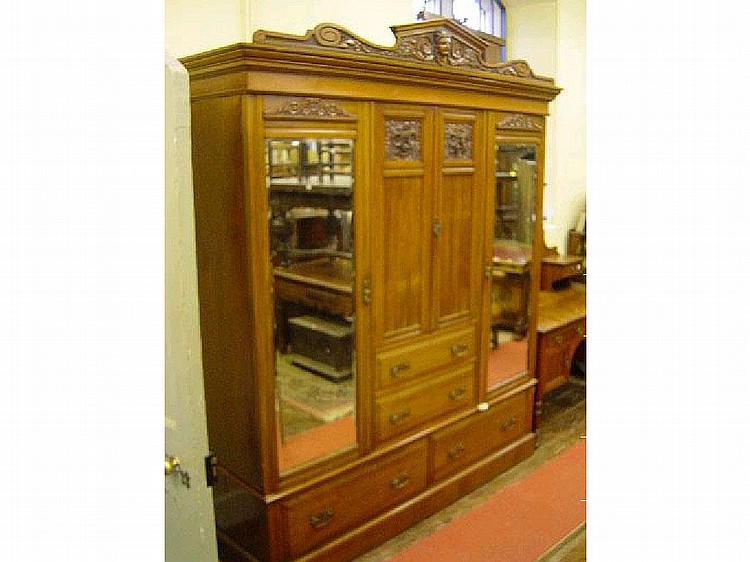 |
A good quality late Victorian/Edwardian AmericanSource blocked; provenance matched | Wotton Auction Rooms Ltd | 2010-06-16 | 1497 | GBP 1,020 (buyer’s-premium treatment unknown) |
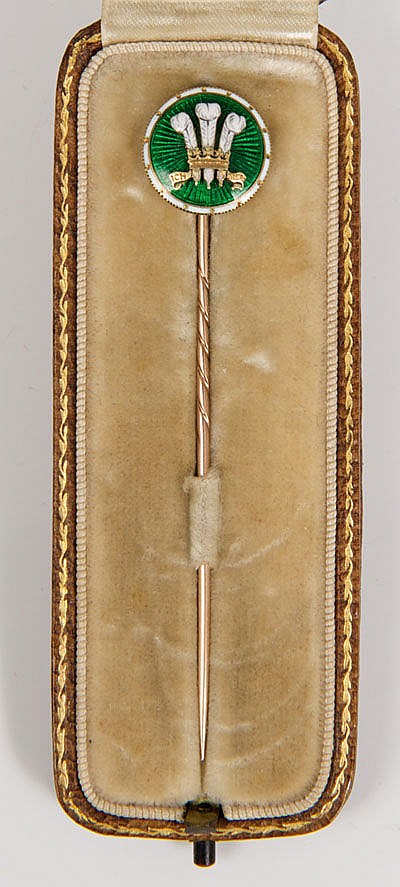 |
Fine late Victorian / Edwardian gold and enamel PrSource blocked; provenance matched | Reeman Dansie | 2014-11-25 | 86 | GBP 380 (buyer’s-premium treatment unknown) |
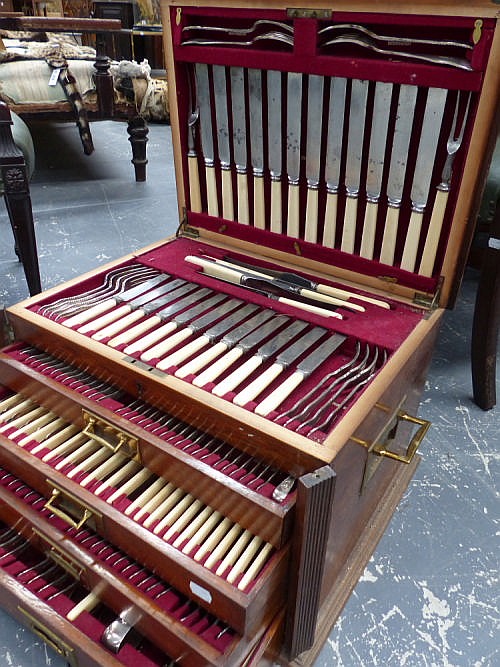 |
A good quality late Victorian or Edwardian silver plated cutlery canteen wiSource blocked; provenance matched | JS Fine Art Ltd | 2016-06-18 | 1319 | GBP 350 (buyer’s-premium treatment unknown) |
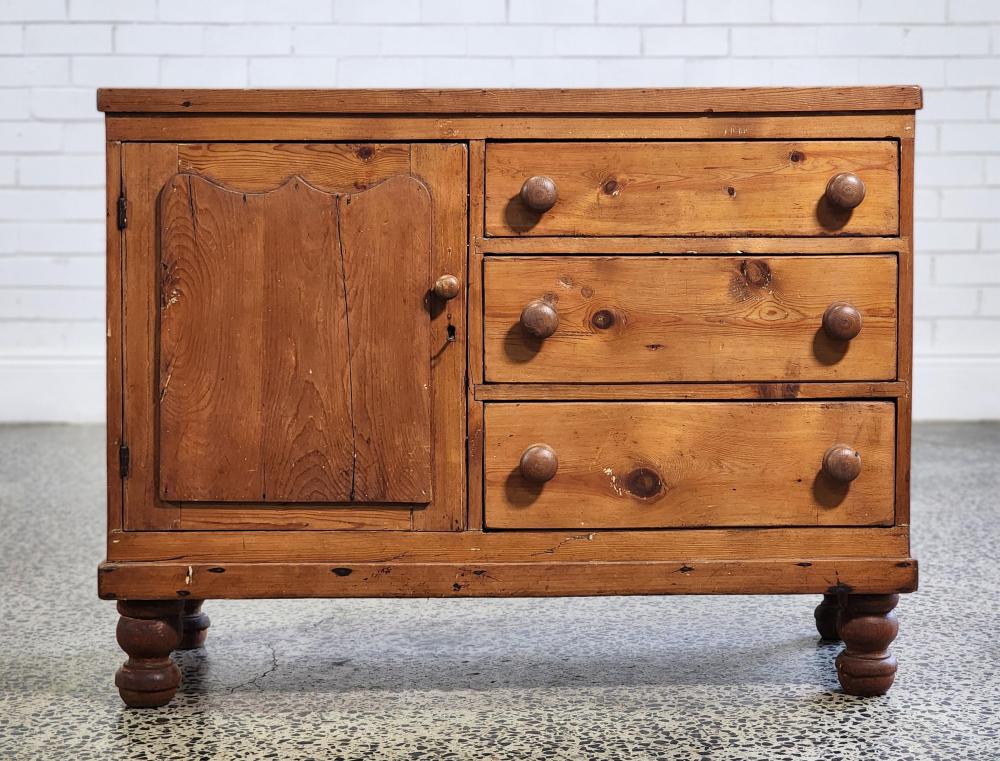 |
Victorian / Edwardian country pine sideboard with three drawers (85 x 114 x 49cm)Source blocked; provenance matched | Lawsons | 2025-09-11 | 1100 | AUD 600 (buyer’s-premium treatment unknown) |
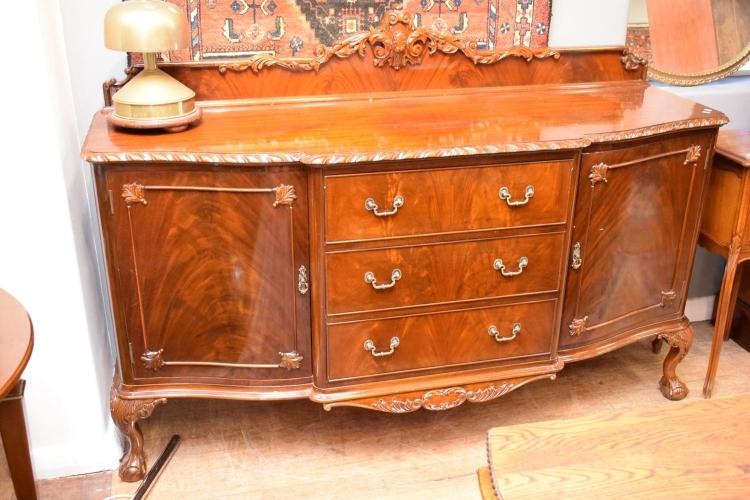 |
A FINE QUALITY CHIPPENDALE STYLE MAHOGANY SIDEBOARDSource blocked; provenance matched | Leonard Joel | 2017-02-09 | 1171 | AUD 260 (buyer’s-premium treatment unknown) |
How these auction records were verified
Each row retains its exact source URL, lot identity, retrieval time, access result, and immutable record hash. Live source access was blocked; the exact record matched Appraisily's immutable pipeline provenance. Inspect the public comparable provenance record.
Disclosure: prices are shown as reported by auction houses and are provided for appraisal context. Learn more in our editorial policy.
Search variations collectors ask
Readers often Google:
- how to date an Edwardian mahogany sideboard with glass doors
- Victorian sideboard value range for insurance
- what does “sideboard” vs “buffet” mean in antique furniture
- how to tell mahogany from walnut on antique furniture
- does refinishing an antique sideboard reduce value
- best place to sell a large antique sideboard locally
- how to identify machine-cut dovetails on Edwardian furniture
- what photos do appraisers need for antique sideboard appraisal
Each question is answered in the identification and valuation sections above.