A Signed Limited Edition Print by Elisabeth Nicomedia: appraisal and value basics
A Signed Limited Edition Print by Elisabeth Nicomedia research should start with identification, condition, provenance, and recent comparable sales. Use this guide to compare the signals that matter before paying for a formal appraisal or deciding whether to sell.
Quick answer: what a signed limited edition print is worth
A signed limited edition print can range from under $50 to thousands of dollars depending on the artist’s market, the print process, the edition size, and condition. In the legacy WordPress appraisal record for this topic, a typical value snapshot was $250–$350—a reasonable starting range for an authenticated, well-presented signed print by an emerging or niche-market artist.
To get from “signed print” to a defensible value, you need three things: (1) the exact print type, (2) proof it’s genuinely limited (and not an open edition), and (3) a condition report. The next sections walk through those steps for a print attributed to Elisabeth Nicodemia.
Step 1: confirm what kind of print you have
“Limited edition print” is a broad label. Appraisers try to identify the process because it changes both scarcity and buyer expectations.
- Serigraph / screenprint: crisp, flat color areas; may show slight ink build-up you can feel.
- Lithograph: can have a drawn look; often printed on quality paper.
- Etching / engraving: frequently shows a plate mark (an impressed rectangle) and fine line detail.
- Giclée (inkjet): common today; can be legitimate and signed, but value hinges heavily on the artist’s audience and edition controls.
If you’re unsure, photograph the surface at an angle (raking light). Ink texture, plate marks, and paper fibers often reveal the process.
Step 2: authenticate the signature + edition notation
Collectors pay for evidence. A strong signed-edition print typically shows:
- Pencil signature (often lower right) that sits on top of the paper (not printed as part of the image).
- Edition number (often lower left), written like 12/200 (meaning print 12 of an edition of 200).
- Title (sometimes centered) and/or a date.
- Blind stamp, embossing, or publisher mark (not always present, but a good sign when consistent with the artist’s practice).
Red flags include signatures that are perfectly identical across multiple prints, edition numbers that appear printed rather than handwritten, or a “limited edition” claim with no numbering at all (often an open edition marketing term).

Step 3: document condition (the biggest price swing)
For works on paper, condition drives value more than many collectors expect. When documenting a print attributed to Elisabeth Nicodemia, capture:
- Foxing / spotting: small brown dots from moisture/age; often visible in the margins.
- Mat burn: a faint “window” discoloration where an old mat covered the paper.
- Fading: especially in inks exposed to sunlight; compare paper tone in hidden areas (under mat edges).
- Creases and handling dents: most visible under raking light.
- Frame condition: the frame itself usually doesn’t add value unless high-end; poor framing can reduce value if it causes damage.
If you’re considering conservation, keep receipts and before/after photos—professional documentation helps explain a clean result to buyers.
How appraisers build a value range (and why edition size matters)
Most valuation reports translate your print into “comparable sales language” using:
- Artist identity: consistent spelling (Elisabeth Nicodemia), signature variants, and any publisher/gallery history.
- Process + materials: e.g., screenprint on archival paper, etching with plate mark, or giclée on cotton rag.
- Edition size: smaller editions (like 25–150) tend to command more than very large editions (500+), all else equal.
- Image size: large-format works can outperform small ones, but only when demand is present.
- Presentation: “matted and framed under glass” can help sellability but doesn’t always raise hammer prices dramatically.
When the artist’s public auction record is thin, appraisers lean on “near comps”: signed limited editions of similar scale and quality sold in the same channel (auction vs retail).
What to photograph for an appraisal (fast checklist)
- Full front (straight-on) including the entire sheet and frame edges.
- Full back (frame backing, labels, tape, framer stamps).
- Signature close-up (sharp, no glare).
- Edition number close-up and any embossing/blind stamp.
- Paper detail (watermark if present, deckled edge, texture).
- Any flaws under raking light (foxing, creases, mat burn).
These photos let an appraiser determine authenticity signals and compare your piece to appropriate market comps much faster.
Note: We couldn’t find enough auction records that directly match Elisabeth Nicodemia Signed Print Guide to publish a defensible price table. If you are valuing a specific item, include its maker, model, material, photos, and condition so the search can be narrowed.
What similar items actually sold for
To help ground this guide in real market activity, here are recent example auction comps from Appraisily’s internal database. These matched sales are market context only, not an object estimate or identification, and they do not guarantee a price for your specific a signed limited edition print by elisabeth nicomedia.
Shown USD range: USD 325-USD 17,500. Median of these 4 USD examples: USD 1,537.50.
| Comparable | What sold | Auction house | Date | Lot | Source-reported amount |
|---|---|---|---|---|---|
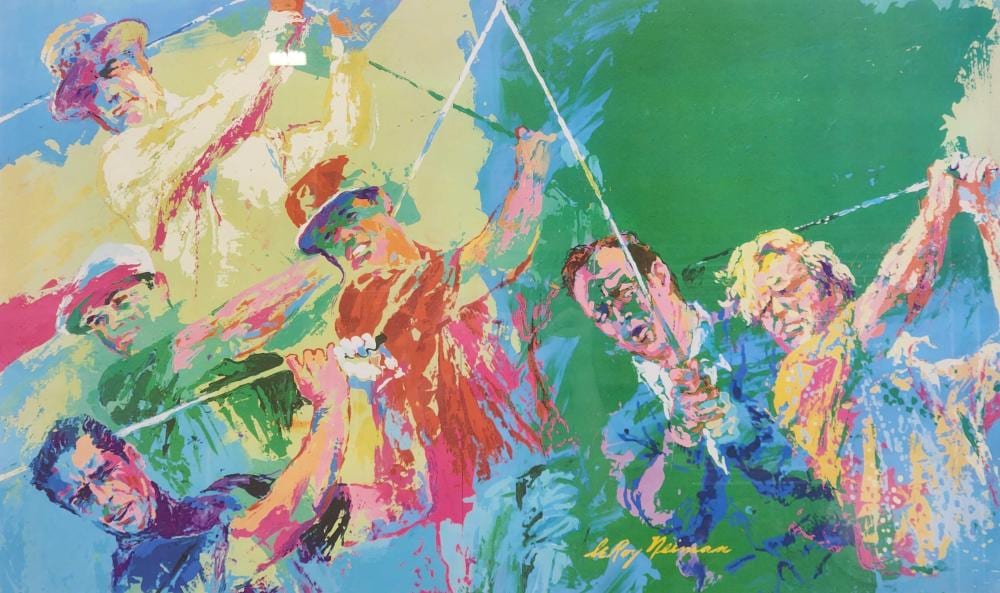 |
Leroy Neiman Signed Limited Edition Print | EJ'S Auction & Appraisal | 2023-04-22 | 1219 | USD 325 (buyer’s-premium treatment unknown) |
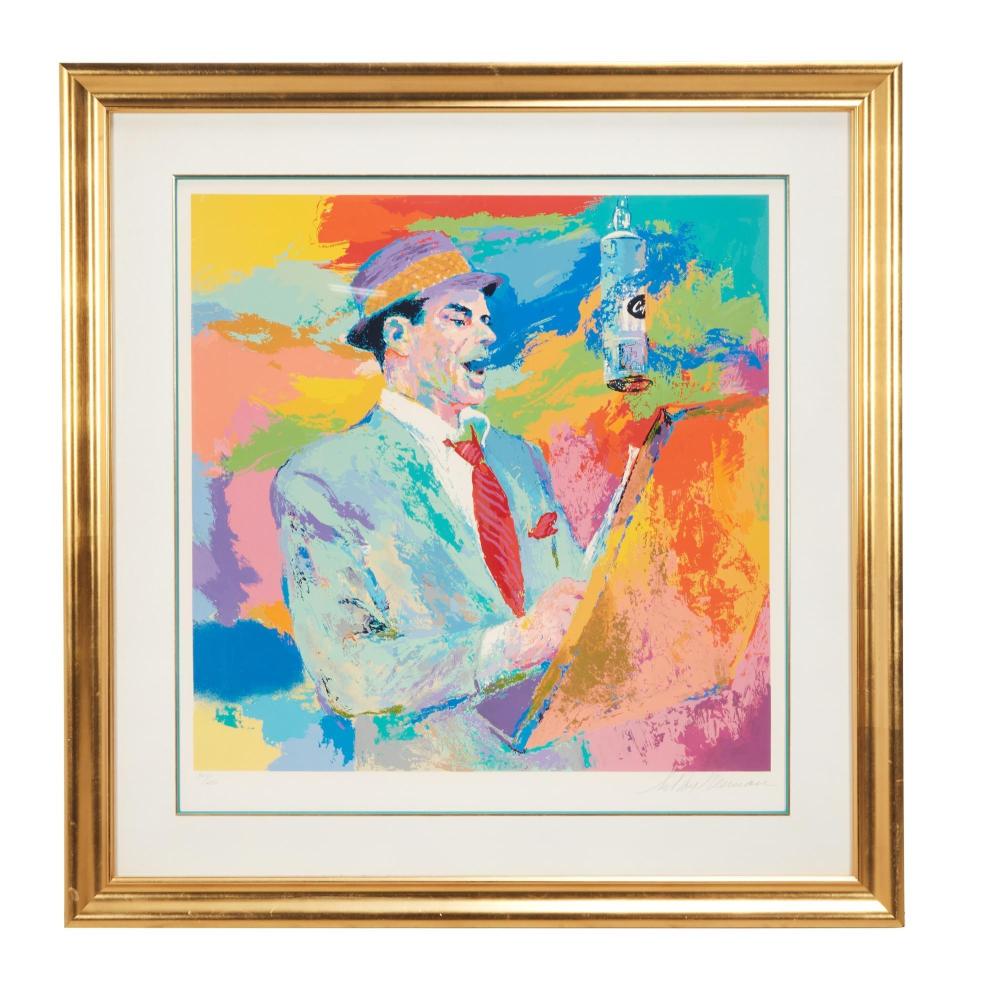 |
Frank Sinatra | LeRoy Neiman Signed Limited-Edition Print | Julien's Auctions | 2024-11-20 | 42 | USD 2,750 (buyer’s-premium treatment unknown) |
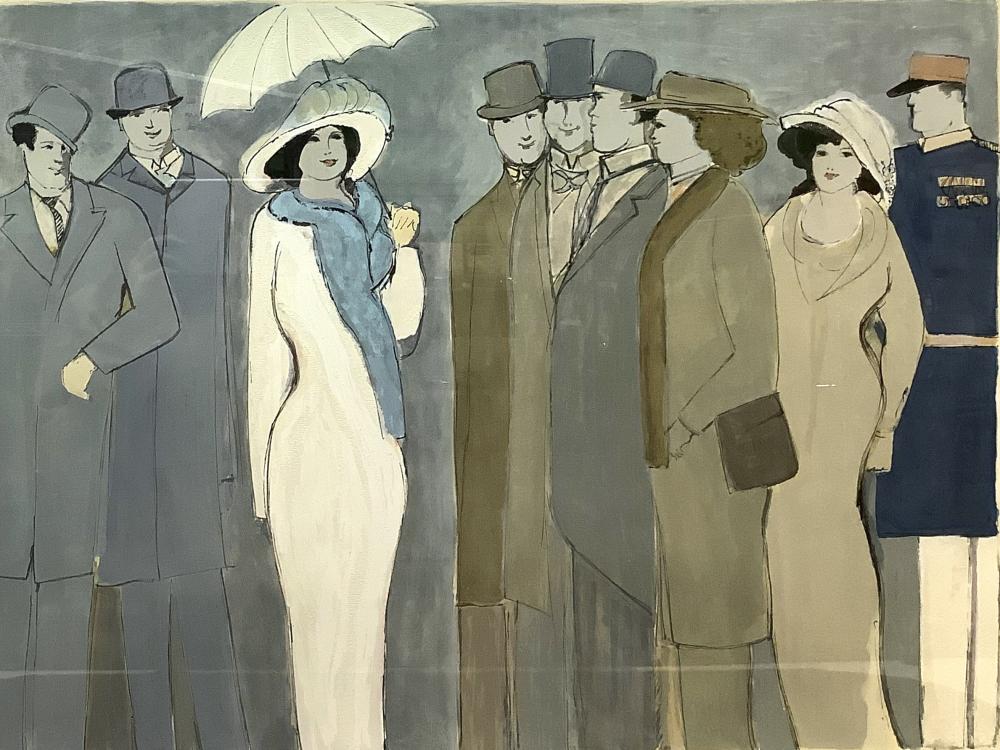 |
David Schneuer “Parasol” Signed Limited Edition Print | EJ'S Auction & Appraisal | 2024-02-17 | 1086 | USD 325 (buyer’s-premium treatment unknown) |
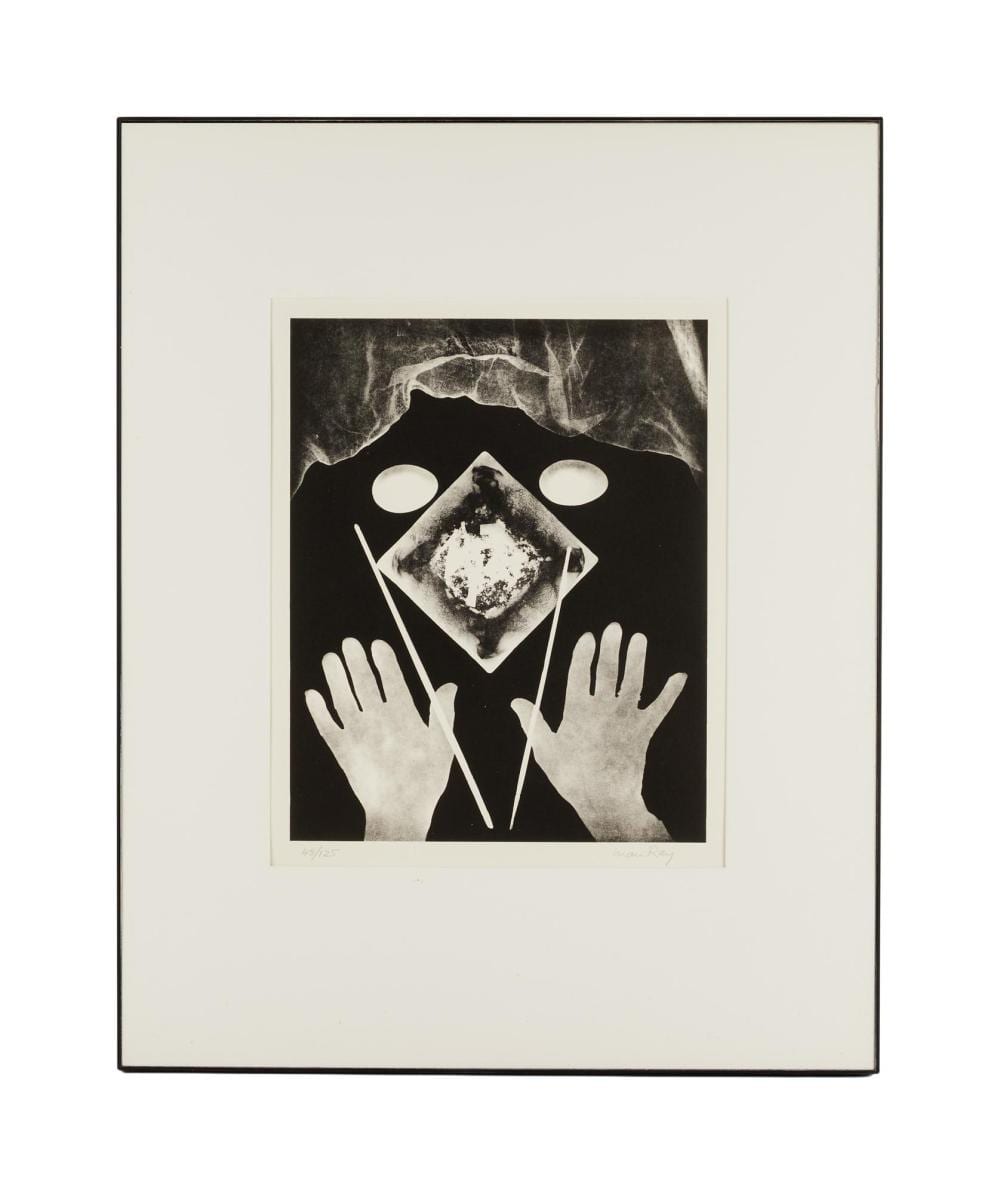 |
David Lynch | Man Ray Signed "Two Hands" Limited-Edition Print | Julien's Auctions | 2025-06-18 | 203 | USD 17,500 (buyer’s-premium treatment unknown) |
 |
§ Jack Vettriano 'Game On' Limited edition print on paper. Artists proof signed un-framed | Ewbank's | 2013-03-21 | 1165 | GBP 800 (buyer’s-premium treatment unknown) |
How these auction records were verified
Each row retains its exact source URL, lot identity, retrieval time, access result, and immutable record hash. Inspect the public comparable provenance record.
Disclosure: prices are shown as reported by auction houses and are provided for appraisal context. Learn more in our editorial policy.
How to sell a signed limited edition print (without overpaying fees)
- Start with clean documentation. Buyers pay more when edition, signature, and condition are clearly shown.
- Choose the right channel. Auctions can be fast but price-sensitive; direct-to-collector sales can outperform auctions for niche artists.
- Ship like a conservator. Use corner protectors, glassine over the print surface, and rigid boards; avoid rolling unless the paper is suitable.
- Keep expectations realistic. “Limited edition” alone does not guarantee high value—artist demand is the multiplier.
Search variations collectors ask
Readers often Google:
- Elisabeth Nicodemia signed print value
- how to tell if a limited edition print is real
- where is the edition number on an art print
- difference between giclée and lithograph value
- does framing increase print value
- what is foxing on paper and does it reduce value
- how to photograph a signature and edition for appraisal
- best place to sell a signed limited edition print
Each question is answered in the valuation guide above.
Key takeaways
- A signed limited edition print’s value depends on artist demand, process, edition size, and condition.
- Photograph the signature, edition number, and full front/back before you price or sell.
- Condition issues like foxing, mat burn, and fading can cut value dramatically.
- When direct comps are scarce, use near comps from similar signed edition works on paper to anchor expectations.
References
- Legacy WordPress appraisal notes (content migrated and expanded; resources.appraisily.com images unavailable).
- Appraisily internal auction comps database (queried Jan 2026 via valuer-agent).