Does this piece belong on the list?
This list is for someone holding a lamp, mirror, tray, planter, clock, bar set, poster, glass vase, small sculpture, ceramic figure, dinner service, or hanging lantern, and trying to decide whether it still sells as a named object or only as room filler.
The strongest tells are visible from a photo:
- A named maker or designer on the object, not only in a listing title.
- A complete form: shade frame, place-setting count, hanging hardware, or a true pair.
- Honest edges: glass rims, glaze, frame corners, and backing boards.
- One style period across a set.
- A signature, printer credit, or foundry mark on wall graphics and bronzes.
An Appraisily example of a complete sterling dining service is proposed at USD 12,500 when the pattern is named and the count is intact. A maker mark is a lead, not proof; completeness and honest surfaces are what change the number.

Check the lamp as a complete lighting form
1) Lamps and shaded lighting pieces
Look at the base, shade frame, and socket as one object. A period glass column with an intact shade is a lighting form; a rewired base with brittle fabric is a parts lot.
Period-appropriate wiring upgrades are acceptable. Stripped paint and replacement-only bulbs are not.
Check first: Photograph the shade frame and the socket together so a later shade is not hiding an incomplete lamp.
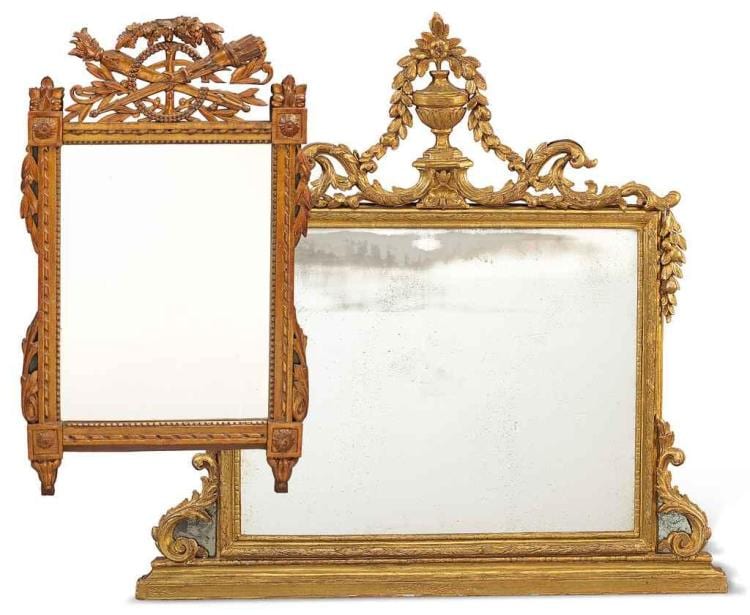
Read the mirror from the corners in
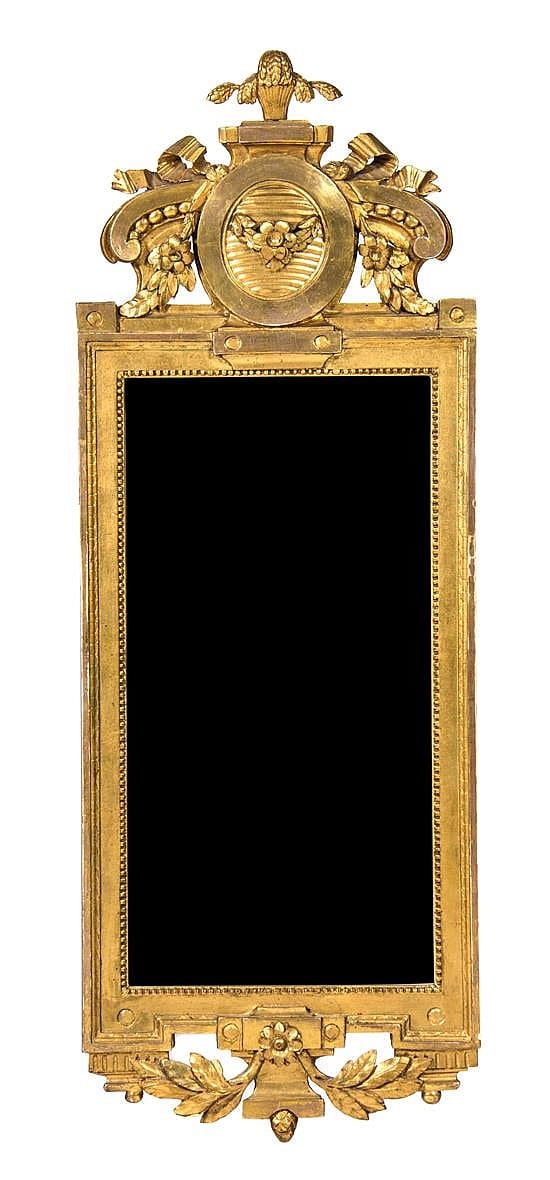
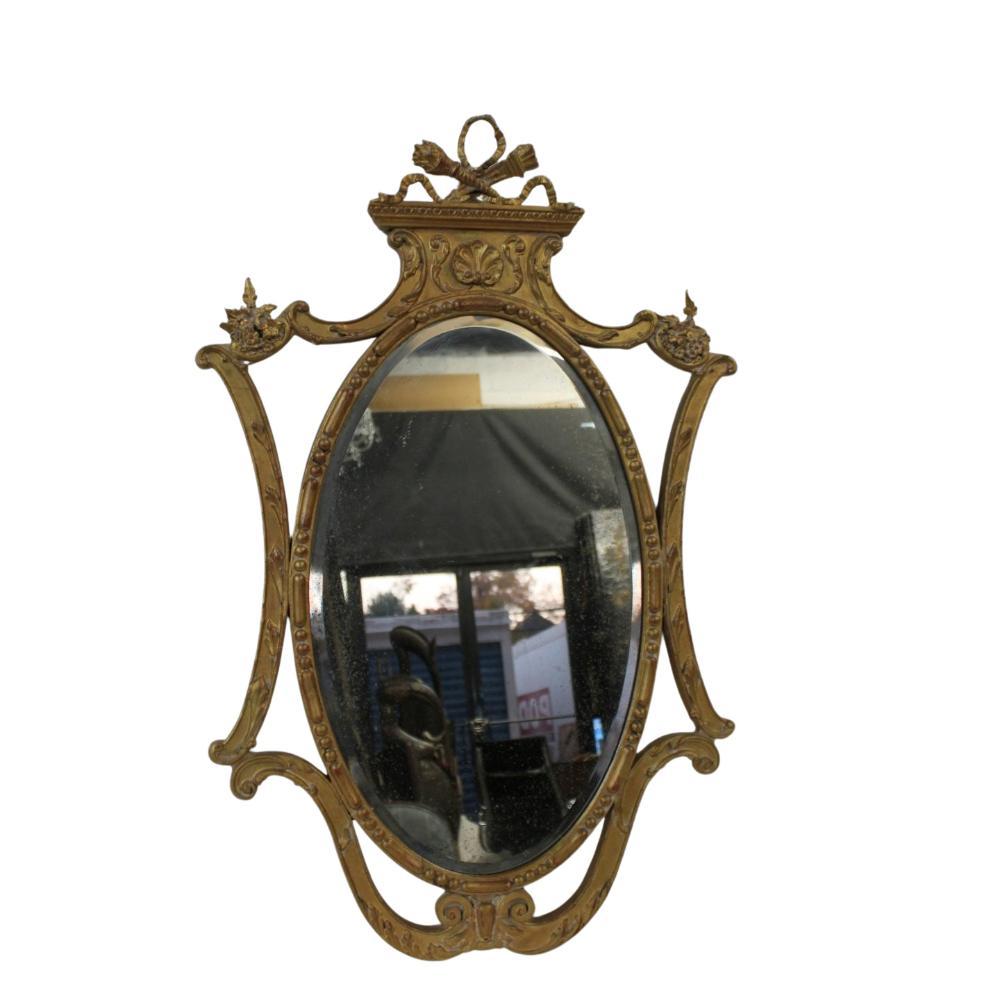
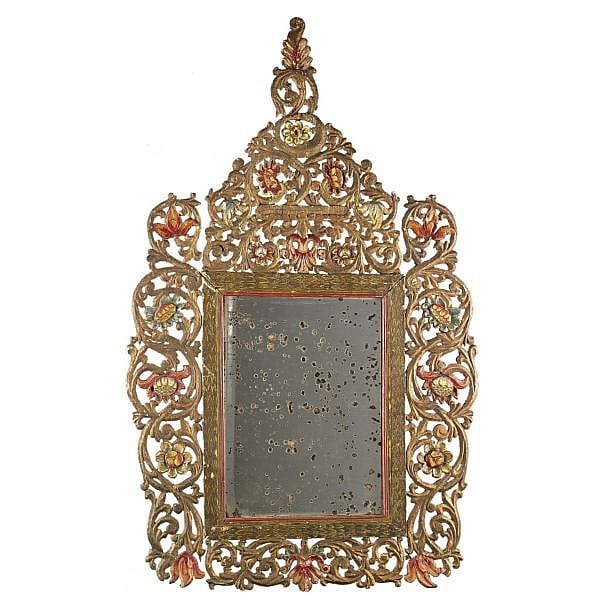
2) Mirrors and mirror collections
Start at the frame corners, then the backing boards. Edge waviness, loose joins, and warped glass are the usual cuts, even when the gilt still photographs well.
Crisp geometry and even patina keep a looking-glass in the furniture-and-decor lane instead of a wall prop.
Check first: Press the frame corners and look at the backing; open joins are what separate a giltwood looking-glass from a decorative panel.
Trays through lanterns: the rest of the list
3) Decorative trays and mixed serving boards
Tray money sits on the line between a serving object and a style accessory. Buyers pay for one outline and a readable metal, not for mixed-metal novelty.
Warped surfaces, split seams, and unknown inserts usually mean accessory pricing.
Check first: Read the silver marks and the tray outline; mixed-metal plugs are the usual reason a serving tray drops to accessory money.
4) Ceramic and glass planters
A planter sells when the maker and the foot are both stable. Structural chips, glaze lift, and unmatched seams keep it in the staging bin.
Readable maker features and pair logic are what lift a cachepot out of generic ceramic pricing.
Check first: Turn the foot and look for a maker name plus an even glaze line; unnamed chipped cachepots stay in the staging bin.
5) Vintage clocks and home-time pieces
A mantel clock can sell without running if the case, dial, and movement still belong together. Missing escapement parts and incompatible modern replacements are the hard stops.
Readable dial markings beat a refinished case with no movement context.
Check first: Open the case and see whether the movement and dial belong to the same clock; a named case with missing escapement parts is incomplete.
6) Old barware and drink-serving sets
Buyers price drink-serving pieces as a usable group. Mismatched stems, mixed materials, and worn seals remove the “ready for the bar” premium.
One style period across the cart or the glass set is the positive signal.
Check first: Count the set and look at the cart or stems as one style; mismatched glass next to a worn seal is a different lot than a complete bar.
6) Wall décor and collectible graphics
A wall graphic sells when the source is attributable. Unknown canvas, over-paint, and severe fading keep it decorative.
A readable signature, printer, or artist name is the first filter.
Check first: Find a signature, printer, or artist name on the sheet or mount before you trust the image.
7) Mid-century and period glassware
Photograph the rim and the base mark in the same light. Micro-cracks, mixed sets, and heavy polish are the usual cuts.
A named studio form with an intact edge is not the same object as a polished souvenir vase.
Check first: Shoot the pontil or acid stamp and the rim together; a crisp Venini edge is a different object than a polished souvenir vase.
8) Small ornamental sculptures and art objects
Generic “bronze décor” labels trade as ornaments. Named artist, intact mounting, and a complete pedestal are the collectible lane.
Vague attribution and copied finish are the hard signs.
Check first: Read the artist or foundry name on the base, then check that the pedestal still belongs to the sculpture.
9) Vintage room accessories (birdbaths, ceramic figures, statement objects)
Hidden cracks, unstable bases, and repaired seams are the first rejects. A coherent sculptural profile and a readable pottery mark move the object out of anonymous-decor pricing.
Scale and pair logic can matter more than an imperial-mark claim.
Check first: Measure height and look for a pair or a named pottery mark; a 78-inch matching pair is not the same market as a single unmarked figure.
10) Dining and tableware sets with story
Sell the group, not the single plate. Missing lids and unmatched glaze or metal cut the number quickly because buyers price completeness risk first.
Matching era cues and a counted service are the positive signals.
Check first: Count knives, forks, spoons, lids, and serving pieces in one pattern; missing lids collapse a Meissen or sterling service.
11) Antique wall clocks, lanterns, and niche decorative mechanisms
Completeness of the hanging frame is the gate. Missing gears, replaced key elements, and mismatched dials drop a clock; a replaced lantern body drops a hanging light to a fixture.
A full component set on a serviceable frame is the positive signal.
Check first: Confirm the hanging hardware, leaded glass, and key elements are original to the frame; a replaced lantern body is a lighting fixture, not an Arts and Crafts mechanism.
Appraisily examples
These reviewed objects did not fit a card above. They still show how a named maker and a complete form move a piece out of anonymous-decor pricing.
Typical estate-sale scenario
A typical estate-sale table holds a lamp, a tray, and a mirror, all priced as “vintage style.” The lamp still has its shade frame; the tray is sterling with an armorial; the mirror has open frame joins.
The first two can sit on this list. The third stays decorative until the frame is honest.
People also ask about vintage home decor
Do lamps lose value if rewired for safety?
Period-appropriate wiring upgrades are a positive signal. Stripped paint, brittle shade fabric, and replacement-only bulbs are the hard signs on a lighting form.
How much does vintage mirror condition affect resale?
Frame joins, backing, and glass waviness are the first cuts. The giltwood lots cited in the mirror card show why the same object class is not one number.
Can mixed trays and mixed sets still sell together?
Buyers pay for one outline and one metal. Unknown mixed-metal inserts and a warped surface are hard signs, whether the lot is a tray or a mixed serving board.
Is barware still worth listing without a complete set?
A complete set with one style period is the positive signal. Mismatched stems and worn seals remove the utility premium that makes barware easy to picture in use.
How do I know if a piece is collectible or decorative only?
Look for a named maker, a complete form, and honest edges. Unsigned copies and unknown canvases stay in the decor bin until those three things line up.
References
- Auction records cited above: Akiba Galleries, Hindman, Christie's, Sotheby's, Jeffrey S. Evans & Associates, John Moran Auctioneers, Thomaston Place Auction Galleries, Grogan & Company, PosterConnection Inc., Il Ponte Auction House, Lewis & Maese Antiques & Auctions, Leski Auctions Pty Ltd, DOYLE Auctioneers & Appraisers, and Rafael Osona Auctions.
- Appraisily editorial policy and sourcing standards: /editorial-policy/.