Coins and Currency Value Guides: Old Coins, Paper Money, Silver Dollars, Mint Marks and Grading Clues
Browse Appraisily coin and currency guides for old coins, paper money, silver dollars, mint marks, grading clues, rarity, and collector value.
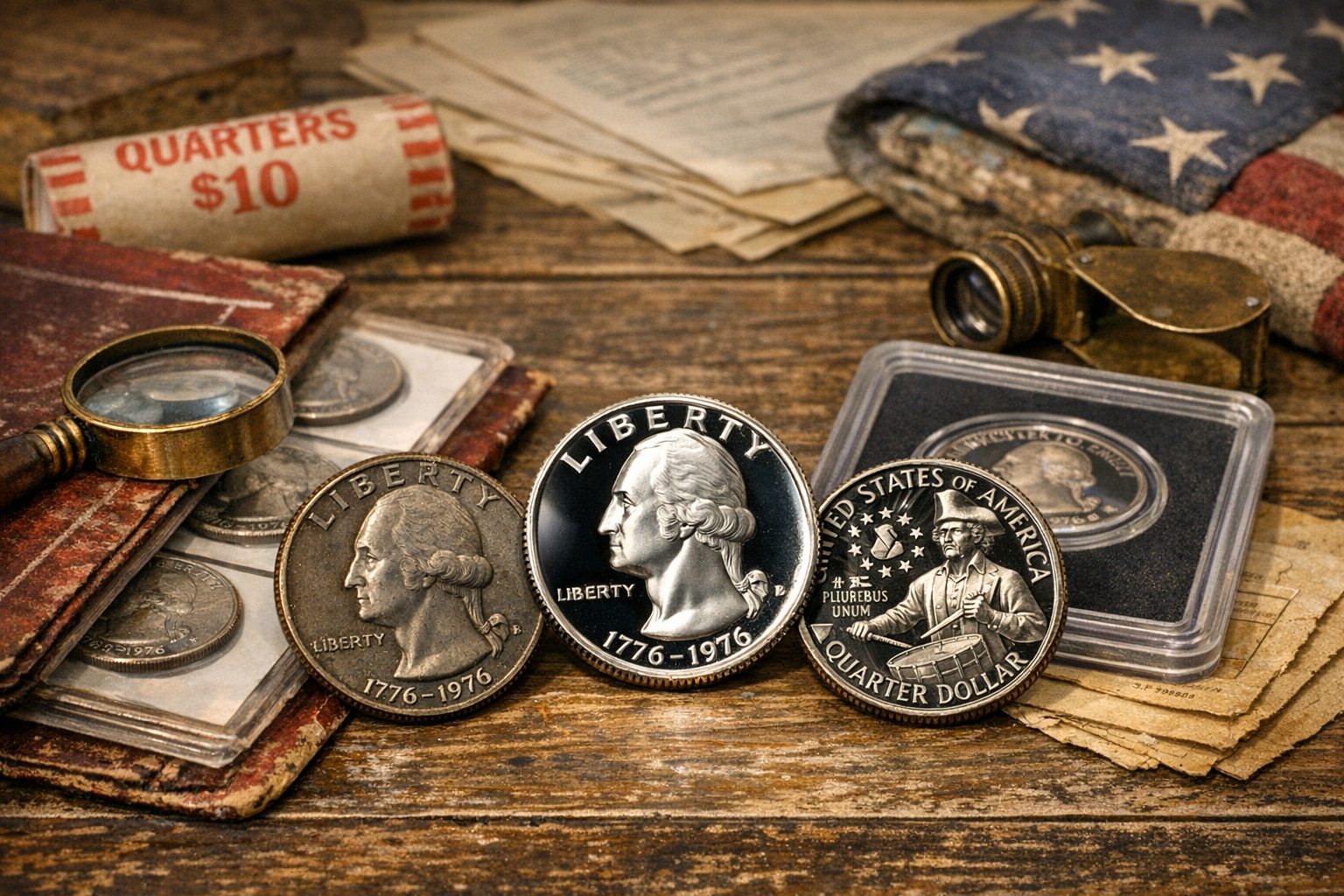
Coins and currency value guide reference with old coins, paper money, silver dollars, mint marks, grading clues, rarity, and collector value. Reference image; item-specific appraisal depends on submitted photos and documentation.
Use this guide hub before you value old money
Coins and paper currency are priced from a mix of denomination, year, mint mark, condition, variety, and collector demand. Start by separating face-value items from pieces with unusual dates, errors, precious-metal content, or strong provenance. A clear photo of both sides usually tells an appraiser whether the item needs deeper research.
What to document first
Record the country, year, mint mark, denomination, metal, visible wear, edge marks, certification holder, and any family history. For paper money, note the issuing bank, seal color, serial number, signatures, folds, stains, and tears. These details help prevent inflated expectations from generic online price lists.
When a professional appraisal helps
A formal appraisal is most useful for inherited groups, rare dates, possible errors, insurance files, estate planning, or sale decisions. It is less useful for common circulated coins unless the collection includes higher-grade pieces, scarce varieties, or documents that establish provenance.
Need a value for your item?
Upload clear photos and notes so Appraisily can route the item to the right appraisal workflow.
To help ground this guide in real market activity, here are recent example auction comps from Appraisily’s internal database. These are educational comparables (not a guarantee of price for your specific item).
Shown USD range: USD 280-USD 700. Median of these 6 USD examples: USD 425.